case study


Fighting for the Limelight: Distinguishing and Growing Seagram's Brand Among Competitors
TheTHIRST FOR DISTINCTION
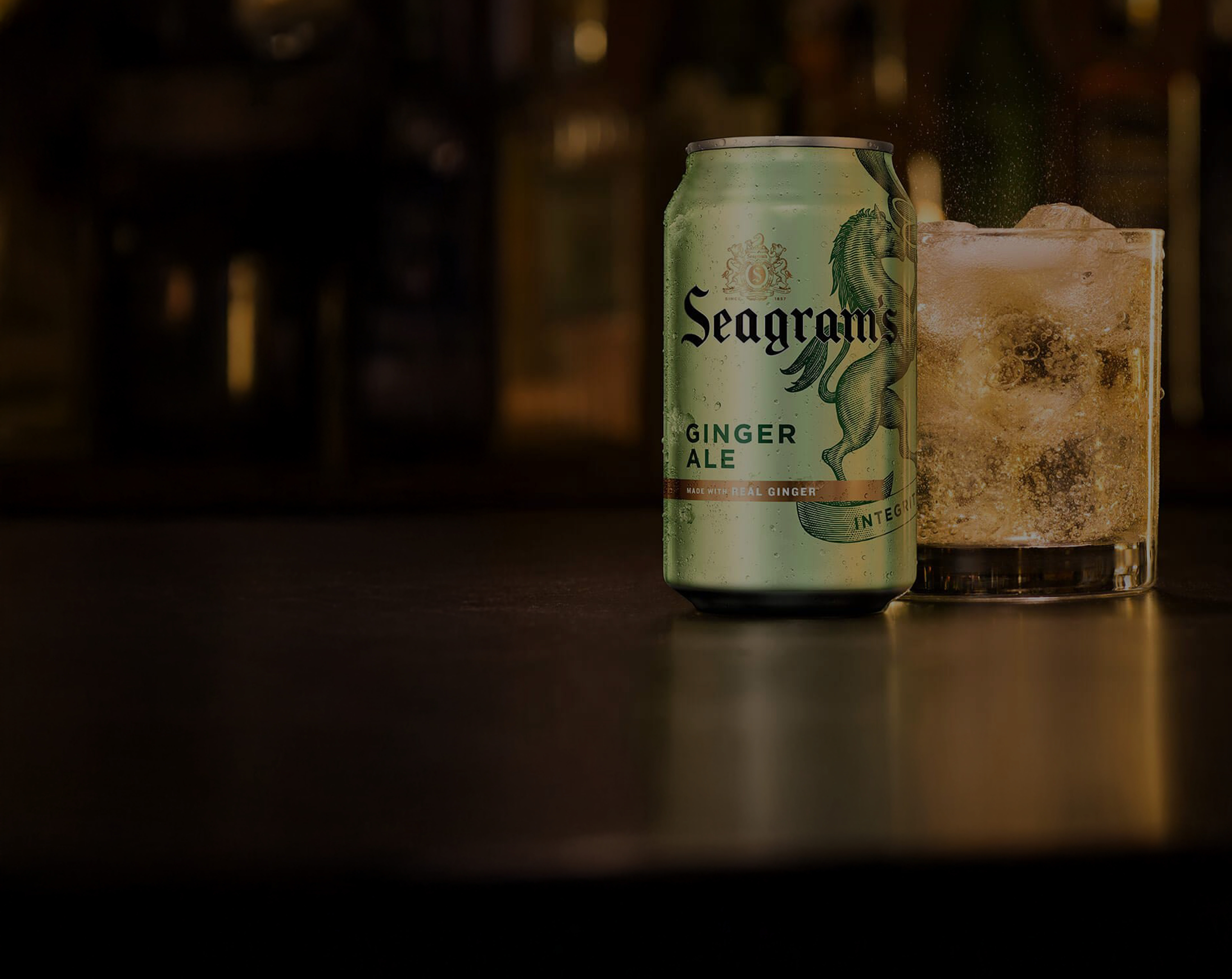
Seagram's competes in a ginger ale and mixer aisle dominated by deeply entrenched players. Canada Dry owns shelf fluency and habitual pickup; Coca-Cola's system strength resets shopper expectations around availability, price, and promotional noise.
For Seagram's, breaking through meant more than a packaging refresh. It required clarifying why the brand still matters—how real ginger cues, classic mixer rituals, and on-premise credibility could win back moments the portfolio had been losing to safer defaults.
The opportunity was to define a sharper brand strategy and creative language that could convert curiosity into preference: standing out in a segment where tradition is table stakes and distinction is the real fight.

How WeQuenched It
To differentiate Seagram's from competitors, we executed a multi-pronged research, insights, and strategy plan. We developed campaign directions and messaging territory rooted in Seagram's real ginger credentials and mixer relevance.
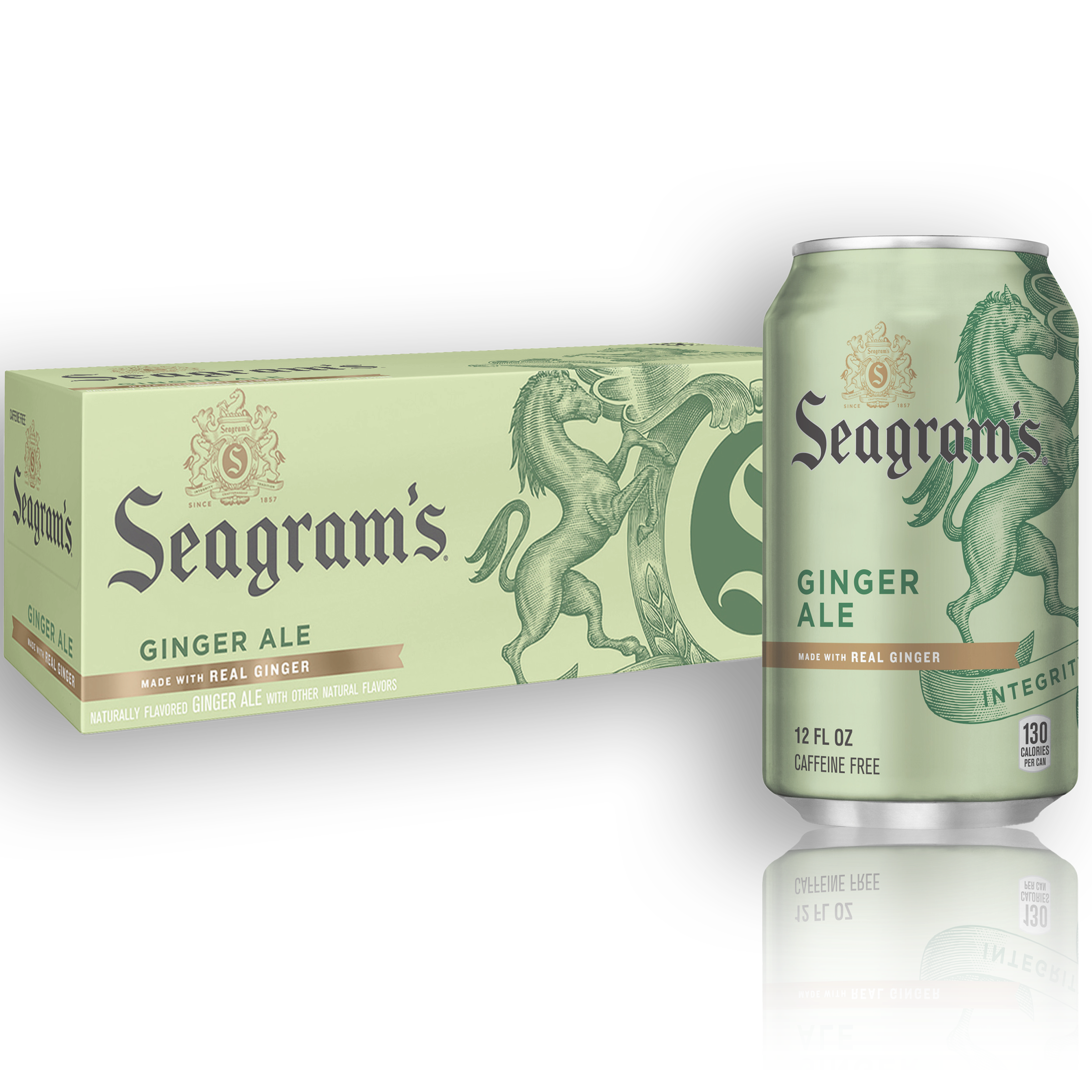
Based on these findings, we tested concepts with target consumers and refined a visual system that modernized the brand while keeping recognizability high across social, shelf, and promotional moments.
TheImpact
To gather intel about the drink market, we sent our team on a mission to the front lines - virtually and physically. Our initial stage of our research included analyzing competitors' social media pages and advertisements.
However, the investigation extended beyond digital spaces to achieve a more comprehensive analysis. We visited multiple grocery stores across the country to take photos of Seagram's shelving placement next to competitors. Once we finished gathering intelligence, we were ready to implement our findings.
Through our research, we discovered a Catch-22 with the market: Seagram's wasn't being noticed at the store but needed more bottling to garner attention. To solve the issue, we helped Seagram's prepare a pitch to bottlers. The goal of the presentation was to convince manufacturers to buy into Seagram's future market growth.